Lina Björk: "Deep tech rewards patience. Most VCs don't have it."
A conversation about long timelines, hard sciences, and the climate stack VCs are still mispricing.

We met Lina Björk in the basement of an unmarked building in central Stockholm — the second floor is the lab, the basement is where the marketing team turned out to be hiding because the lab people kept stealing their pens.
The mix-up tells you something about Verdant Labs. The company is unusually unconcerned with looking polished. The work, in Björk's framing, is too important and too time-bound for theater.
On the funding cycle
"The cycle works against us," she said, when I asked about the climate-tech funding correction of the past eighteen months. "Climate tech is the worst fit for venture capital of any sector I can think of. The timelines are wrong, the capital intensity is wrong, the regulatory dependency is wrong, the exit path is wrong. And yet venture capital is, for most of us, the only option."
Her solution — which we profiled in more detail — has been to engineer Verdant's commercial model around financing structures that look more like infrastructure than like traditional venture. Off-take contracts. Project finance. Sovereign and reinsurer buyers. The shape of the business is increasingly unlike that of the other companies in any given VC's portfolio.
That mismatch, she said, has cost Verdant deals. Some VCs simply can't underwrite a company that doesn't behave like a SaaS business. But the ones who can — and she names two she's been particularly grateful for — have become the strategic core of the cap table.
On hiring
The other recurring theme was hiring. Björk is dismissive of the talent narratives that dominate startup discourse. The kind of generalist operator who would be obvious for a Series-B B2B SaaS company is, in her view, almost actively harmful in a deep-tech climate company.
"We hire scientists who can ship, or engineers who can wait. Those are the two profiles. The third profile — the smart generalist who's optimizing for career velocity — kills companies like ours. They don't have the patience to be wrong for two years before being right."
She has, by her own count, rescinded three senior offers in the past year because she concluded mid-process the candidate had the wrong relationship to time.
On the carbon market
The question I most wanted to ask — does she believe the voluntary carbon market will recover from its credibility crisis — got the longest answer of the conversation.
"Yes and no. Yes, durable removals will recover, because the buyers who actually have net-zero obligations have nowhere else to go. No, the broader voluntary market — the offsets-based, paper-credit, methodology-shopping ecosystem — won't recover, and it shouldn't. The companies that depended on it will die. The companies that built around verifiable, durable removal with auditable methodology will inherit the demand."
She paused, then added: "Some of those companies are now competitors of ours. That's healthy. The category needs more credible names. Right now there are maybe six of us globally. That's not enough."
On the bet
At the end of our conversation I asked Björk what she thought failure would look like for Verdant. She didn't hesitate.
"Failure isn't bankruptcy. Failure is building a company that turns out to be a science project. We have to get to commercial scale — meaning multiple operating units, multiple sovereign-grade buyers, financing structures that don't depend on venture capital — before our patience capital runs out. The science works. The business has to follow."
For more on the climate funding landscape and the founders building durable infrastructure, see our climate coverage.
Comments
Loading comments…
Related stories
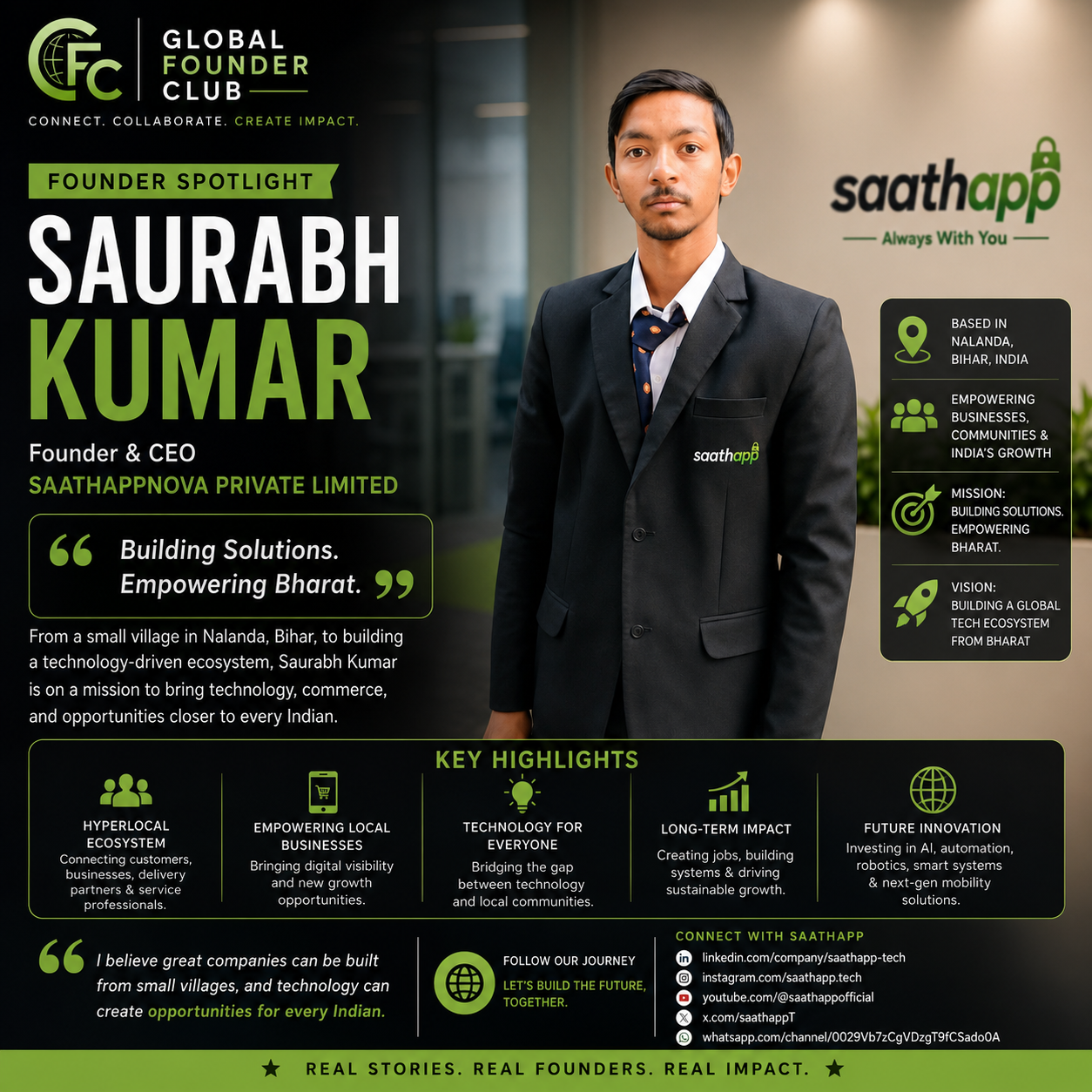
Saurabh Kumar: "Great companies can be built from small villages"
From a village in Nalanda, Bihar, Saurabh Kumar is building SAATHAPP — a hyperlocal platform connecting customers, local businesses, delivery partners, and service professionals. His mission is simple: "Building Solutions. Empowering Bharat."
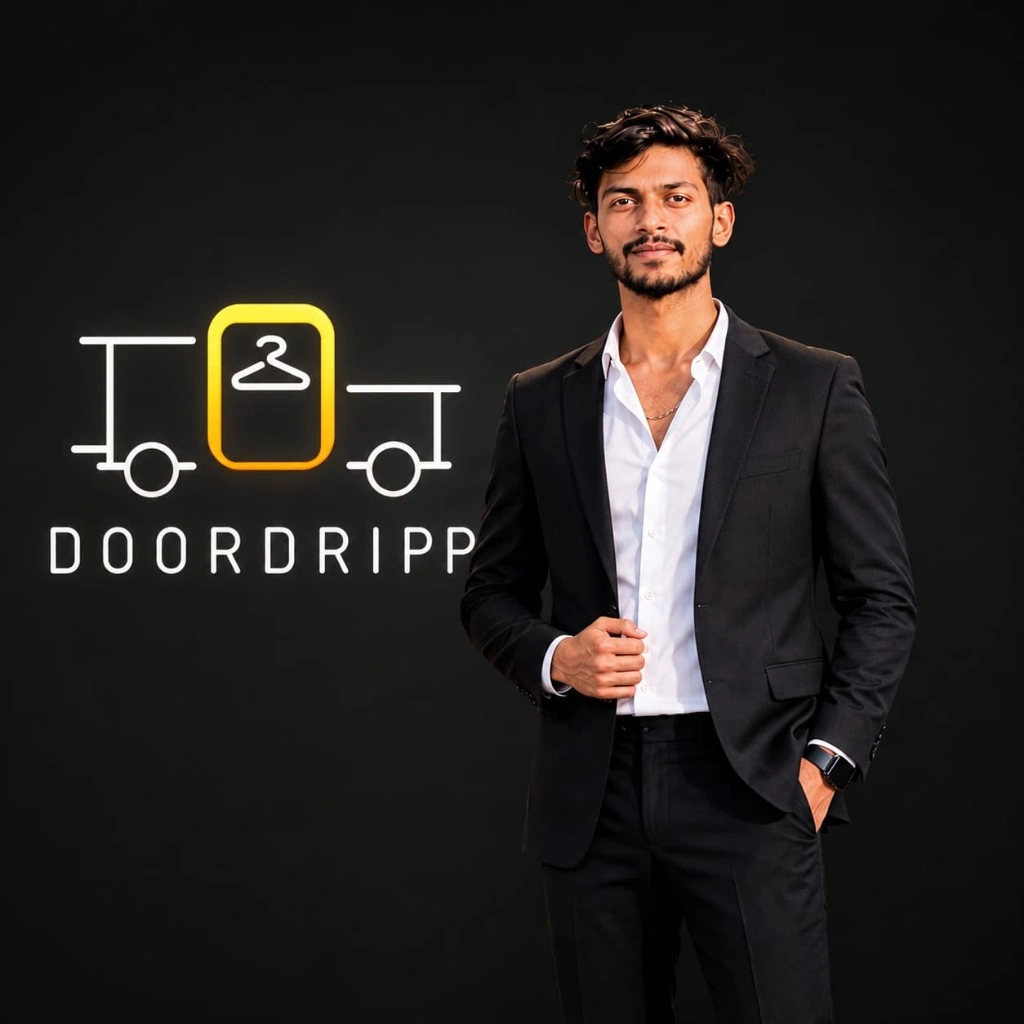
Sarvesh Kumar Tiwari on Doordripp: "Why can't fashion be delivered as quickly as groceries?"
Groceries, food, and medicines arrive in minutes — so why does fashion still take days? Sarvesh Kumar Tiwari is building Doordripp to close that gap, with 25–45 minute delivery for clothing and accessories.

Ravi Mehta on building reasoning models that actually reason
The Lumen AI founder on leaving the research lab, raising $85M, and why the next decade of enterprise AI belongs to systems that can show their work — not just predict the next token.